May is Stroke Awareness Month, a time to raise awareness about stroke prevention, treatment, and recovery. While a stroke can be a life-changing event, advances in rehabilitation and supportive therapies are helping many people regain function, independence, and quality of life.
Recovery doesn’t stop after the initial medical treatment—it’s an ongoing process, and the body has a remarkable ability to heal when given the right support.
Understanding Stroke Recovery
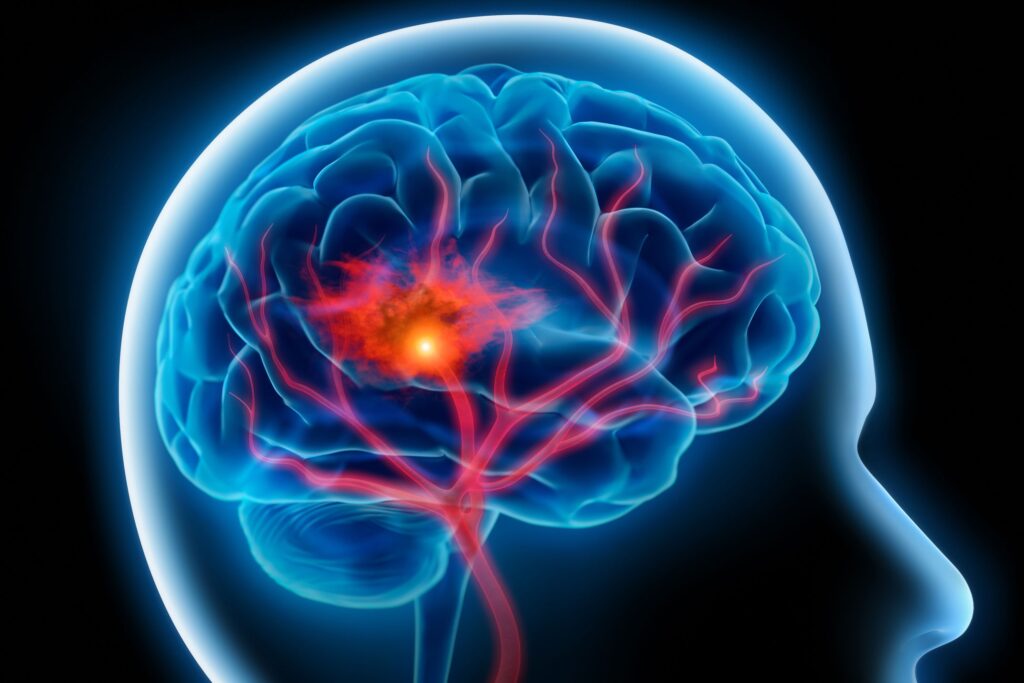
A stroke occurs when blood flow to part of the brain is interrupted, limiting oxygen supply to brain tissue. Without sufficient oxygen, affected areas of the brain are injured or die, and inflammation can impair the function of neighboring brain tissue. This can lead to challenges such as:
- Weakness or limited mobility
- Speech and communication difficulties
- Cognitive changes, including memory and focus
- Fatigue and reduced stamina
Recovery traditionally involves a combination of physical therapy, occupational therapy, and other supportive approaches aimed at helping the brain and body adapt. Research demonstrates that hyperbaric oxygen therapy can stimulate the brain to heal – addressing inflammation and spurring the growth of new connections between neurons, even long after the initial injury. (Ready Study Here)
Why Oxygen Matters
Oxygen plays a critical role in brain health and repair. After a stroke, some areas of the brain may be damaged, while others remain underactive but still viable. Supporting oxygen delivery to these areas can help reduce inflammation, stimulate the growth of new neural connections (ramification) and bring these idling neurons back online.
Optimized oxygen availability can support:
- Cellular energy production
- Circulation and tissue repair
- Brain function and communication between neurons
- Reduction of inflammation
How Hyperbaric Oxygen Therapy Fits In
Hyperbaric Oxygen Therapy (HBOT) involves breathing enriched oxygen in a pressurized environment. This allows oxygen to dissolve more efficiently into the bloodstream and reach areas of the brain that may not be getting enough under normal conditions. Under hyperbaric conditions we can bring oxygen to areas of the brain where the blood supply has been disrupted due to stroke. Research demonstrates that at between 30-40 treatment hours, the brain is capable of growing new blood vessels into the area damaged by stroke. (Read Study Here)
HBOT is being explored as a supportive therapy in stroke recovery because it can::
- Help improve cognitive function and mental clarity
- Support motor function and coordination
- Promote neuroplasticity—the brain’s ability to reorganize and form new connections
- Enhance overall recovery and quality of life
A Growing Area of Research
Research into HBOT and stroke recovery is ongoing, with studies suggesting that increased oxygen delivery may help activate areas of the brain that were previously under-functioning. Findings demonstrate improvements in cognitive and physical abilities, even months or years after a stroke, and suggest that HBOT may reduce recurrence risk in patients with ischaemic stroke.
A Message of Hope
Stroke recovery is uniquely individualized, and progress can take time. But the brain’s capacity to heal and adapt is powerful. With the right combination of therapies, support, and persistence, meaningful improvements are possible.
During Stroke Awareness Month, it’s important to recognize not only the challenges of stroke—but also the growing range of tools available to support recovery. Therapies like HBOT are helping expand what recovery can look like, offering hope for improved function, independence, and well-being.
https://www.mdpi.com/1424-8220/26/6/1794
The post Stroke Recovery and the Role of Oxygen: A Supportive Approach to Healing first appeared on Hyperbaric Vermont.
The post Stroke Recovery and the Role of Oxygen: A Supportive Approach to Healing appeared first on Hyperbaric Vermont.