
Unlocking Healing for TBI Patients: The Role of HBOT and Neurofeedback
Traumatic brain injuries (TBIs), even those categorized as mild, can have profound effects on a person’s physical, emotional, and cognitive well-being. Conventional treatments often leave patients seeking additional solutions for persistent symptoms such as headaches, fatigue, memory difficulties, and mood disturbances. Emerging therapies like Hyperbaric Oxygen Therapy (HBOT) and neurofeedback are proving to be valuable allies in addressing these challenges.
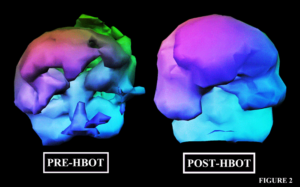
A recent study published in Cureus highlights the promising synergy of HBOT and neurofeedback in treating mild TBI. This case report underscores the potential of these therapies to reduce symptoms and improve quality of life for individuals struggling with the lingering effects of brain injuries.
HBOT: A Game-Changer for TBI Recovery
Hyperbaric Oxygen Therapy involves breathing pure oxygen in a pressurized chamber, which increases oxygen delivery to the brain and other injured tissues and promotes healing. For TBI patients, HBOT has been shown to reduce inflammation, enhance neuroplasticity, and stimulate the repair of damaged brain cells. The study noted marked improvements in the patient’s symptoms, such as reduced headaches, improved memory, and greater emotional stability after undergoing HBOT sessions.
Neurofeedback: Rewiring the Brain
Neurofeedback, a form of biofeedback, trains individuals to regulate their brain activity. By providing real-time feedback on brainwave patterns, patients learn to foster healthier neural connections. In the case report, neurofeedback complemented HBOT by addressing the neurological imbalances associated with TBI, leading to further symptom reduction and enhanced cognitive function.
The Power of Combined Therapies
What makes this case particularly compelling is the integration of HBOT and neurofeedback. The patient’s progress suggests that combining these therapies can create a synergistic effect, amplifying the benefits of each. While HBOT fosters physical healing at the cellular level, neurofeedback facilitates functional recovery by optimizing brainwave activity. Together, they offer a holistic approach to TBI rehabilitation.
Implications for the Future
As awareness of alternative therapies grows, HBOT and neurofeedback are gaining recognition as viable options for individuals with TBI. This case report provides valuable evidence supporting their use, paving the way for further research and integration into treatment protocols. For patients and caregivers, these therapies offer hope for meaningful recovery and restored quality of life.
Spreading the Word
If you or someone you know is grappling with the aftermath of a TBI, consider exploring HBOT and neurofeedback as part of a comprehensive treatment plan. These therapies, backed by emerging studies like the one featured in Cureus, demonstrate that healing and recovery are achievable, even for those who have struggled for years with lingering symptoms.
The post Traumatic Brain Injury first appeared on Hyperbaric Vermont.
The post Traumatic Brain Injury appeared first on Hyperbaric Vermont.